
Free School Tours
Our educational experiences for Pre‑K to 12th grade students use authentic works of art to inspire and encourage critical thinking and to make real-world connections.
About School Tours
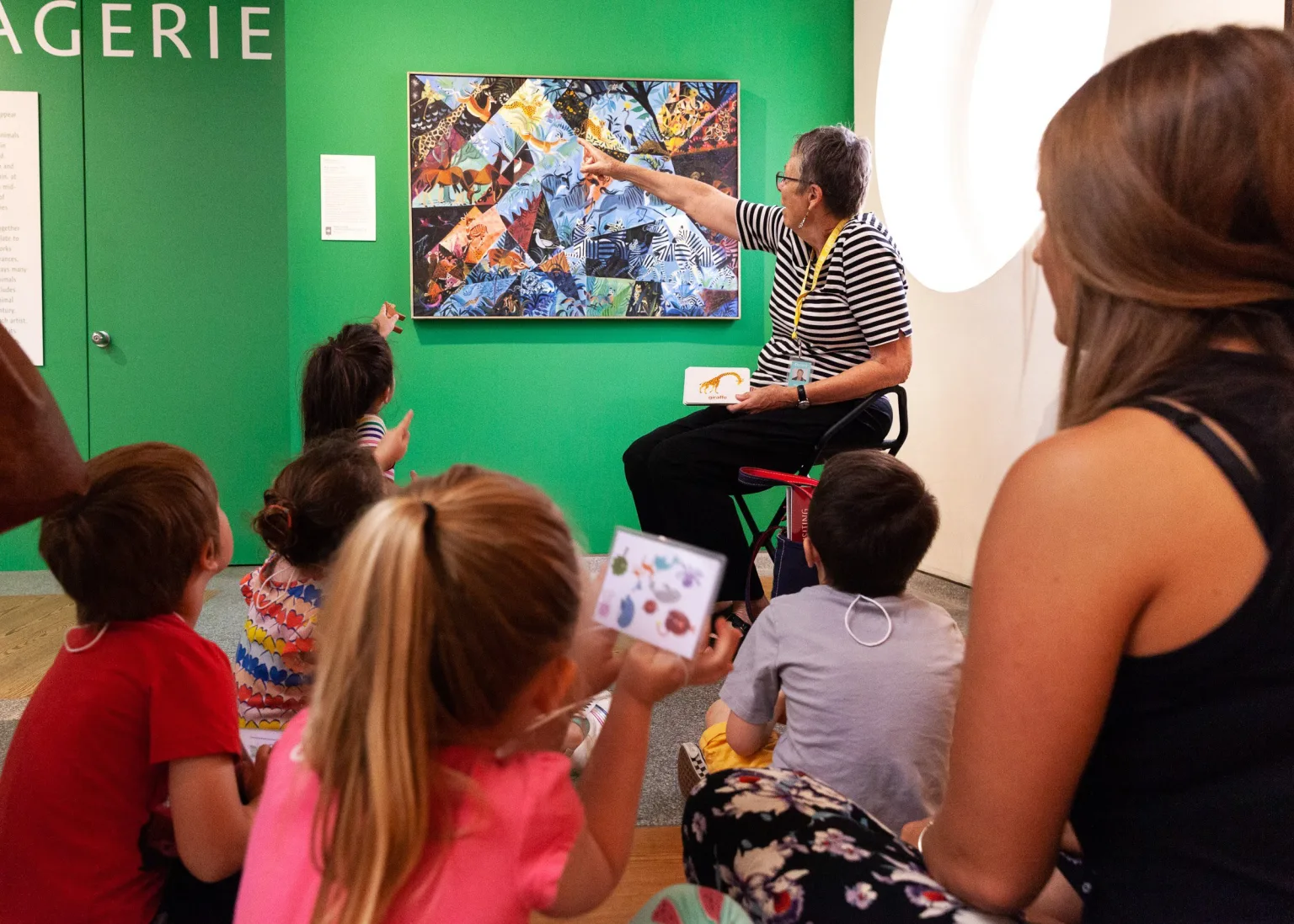
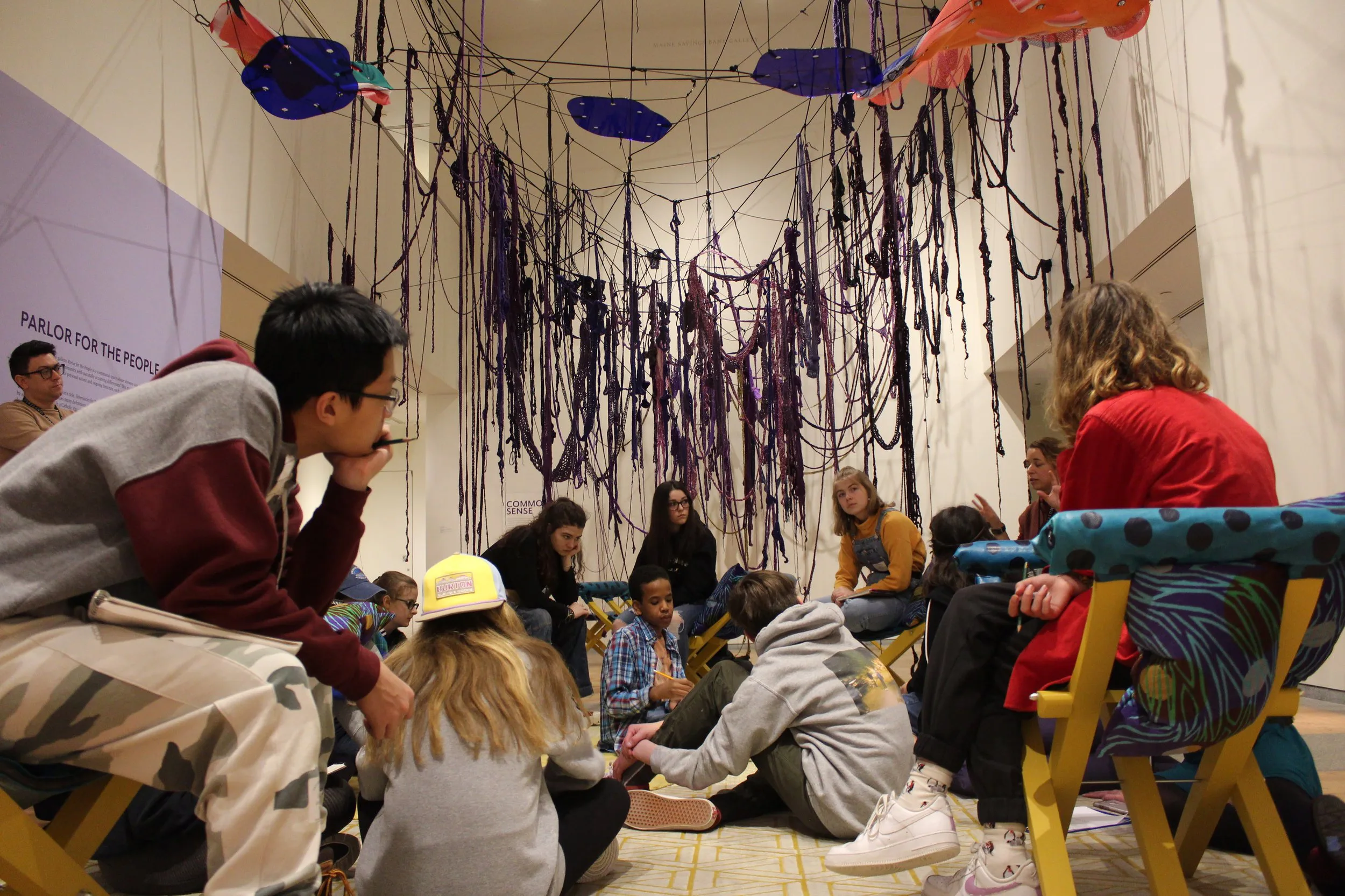
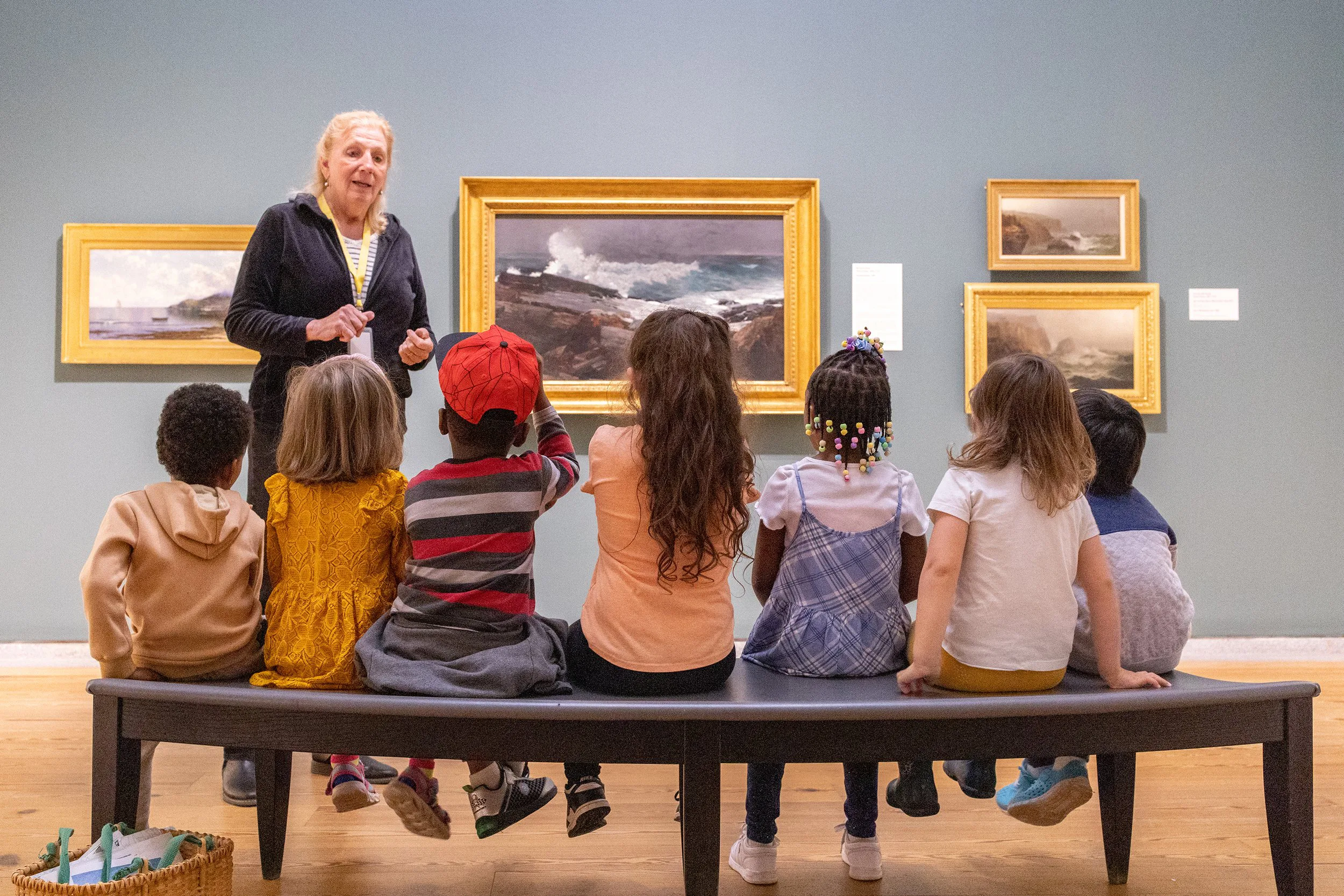
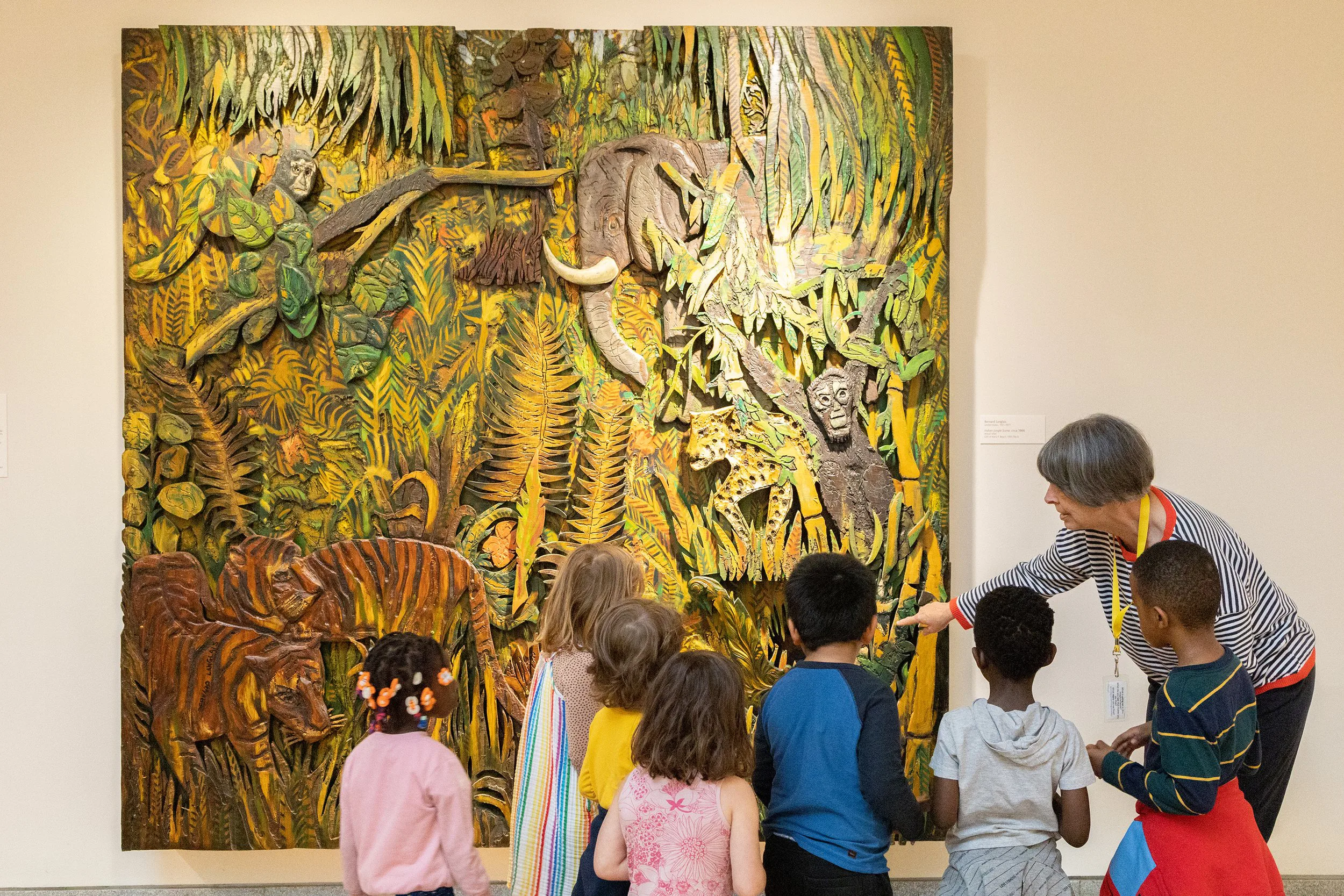
Free School Tours at the Portland Museum of Art invite students to utilize their critical thinking skills and personal experiences to slow down, carefully investigate, and develop their own interpretations of works of art.
Free School Tours are led by highly trained Museum Educators, who have diverse experiences working with students of all ages and abilities.
These tours do not require any previous knowledge or experience in the visual arts, and are crafted to meet the needs of your students and connect to your curricula. Any of our tour themes can be adapted and customized to ensure that all students feel welcomed, understood, valued, and empowered.
Portland schools, reach out to the Learning and Community Collaboration Department at tours@portlandmuseum.org for information on potential funds to cover your transportation costs.
Get excited about your visit! Review the Museum Manners with students and explore the collection online. Call (207) 699‑4985 or email tours@portlandmuseum.org with any questions or special requests.
Please note unregistered groups will not be admitted to the museum if their visit conflicts with scheduled groups. Admission fees are not waived for unscheduled school groups.
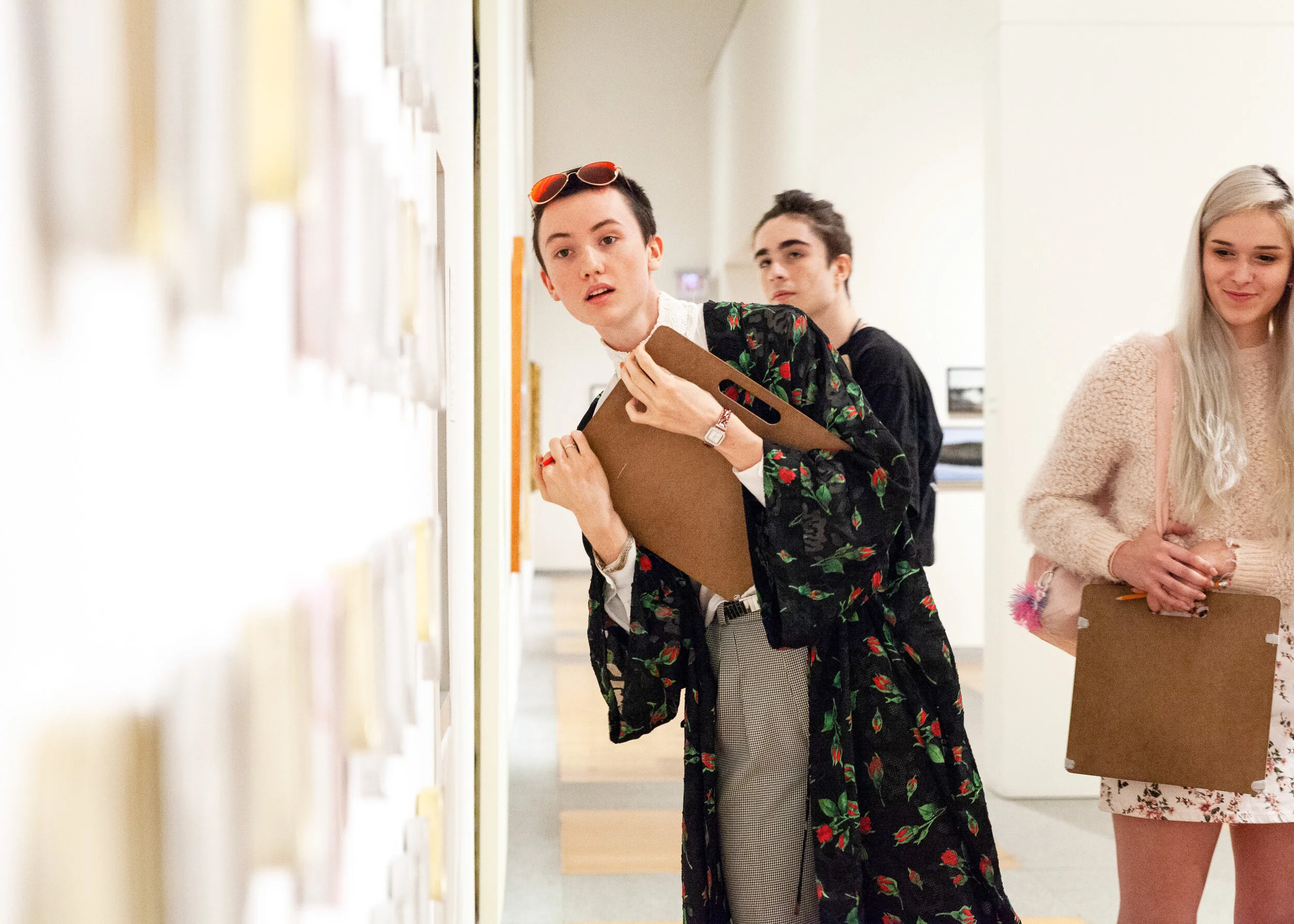
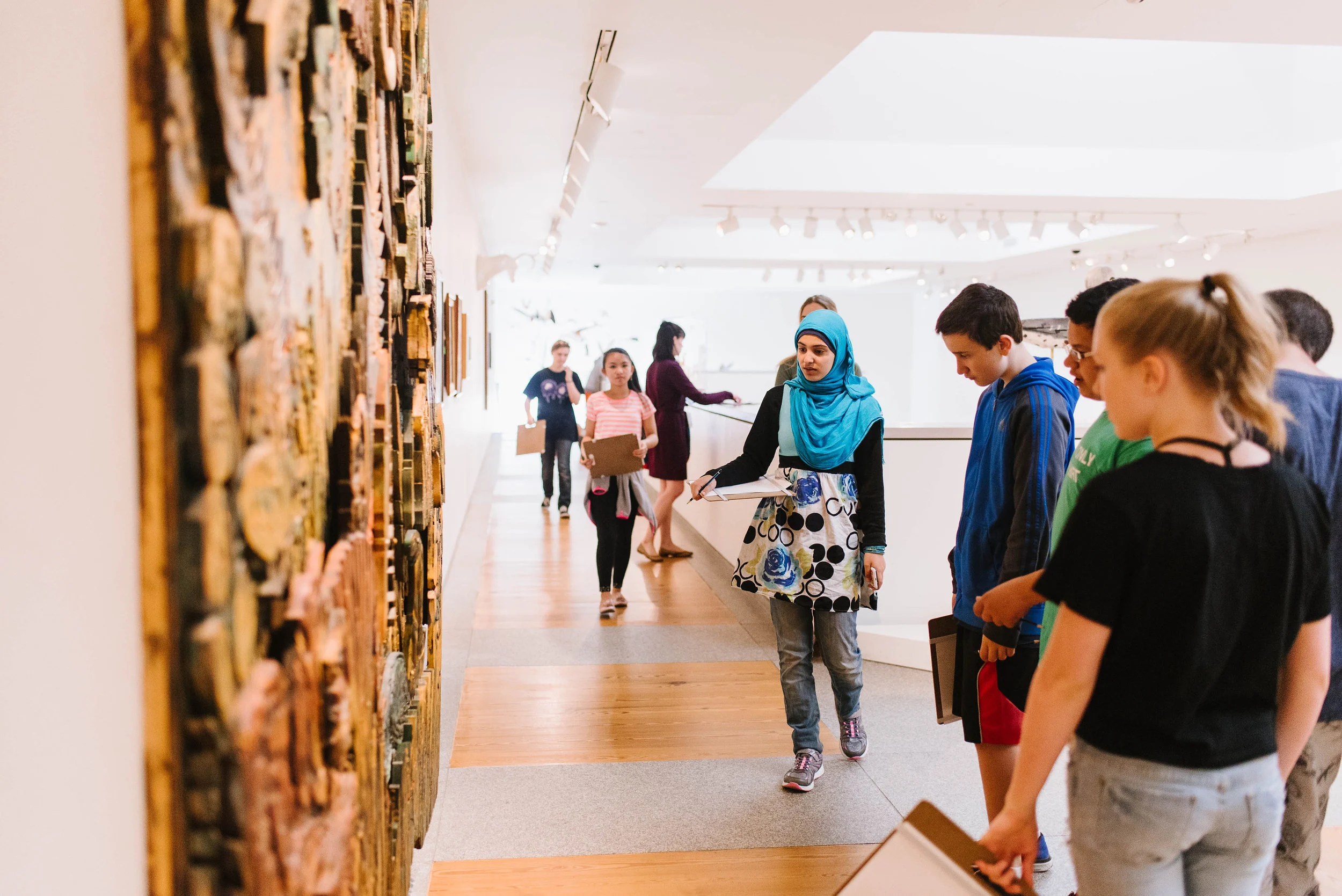
Art as Activism
Art has always been a vehicle to convey the need for change. Students will explore artworks influenced and inspired by social and political events, and the power that visual imagery has to communicate important messages.
Content Connections: Social Studies/History, Visual Art, Wabanaki Studies, English/Language Arts
Visual Storytelling
Artists throughout the ages have been using their works to pull in audiences, tell stories, and illustrate worlds. Students on this tour will be encouraged to look closely, examine, and interpret these narratives through a series of writing and literacy-based activities. Using context clues, guided discussions, and creative writing, students will consider: What is happening here? What story could the artist be trying to tell? Who might they be speaking to?
Content Connections: Creative writing, Visual literacy, Collaborative discussion, Empathy, Social Emotional Learning, English/Language Arts
Making + Moving
A tour designed to be hands-on and filled with movement! Students will develop personally meaningful responses to art through multi-modal, sensory, and Social-Emotional Learning focused activities.
Content Connections: Social-Emotional Learning, Total Physical Response (TPR), English/Language Arts, Visual and Performing Arts, Multi-Modal Learning
Lands & Waterways
Through artwork of many different media from historic to contemporary, students will
consider how artwork communicates a sense of place and how we, as stewards of this
place, can develop and sustain a connection to it. Activities will spark reflection about how people interact with and understand the natural world, past and present, especially in this place we now call Maine. This tour will include a stop in Passages in American Art.
Content Connections: Wabanaki Studies, Social Studies, English/Language Arts, Visual Arts, Science
Artistic Choice & Process
How does an artist’s choice of material and process impact the meaning of an artwork?
How do artists communicate ideas through their material? What makes art such an
impactful method of communication? How are artists’ processes similar to those of
scientists? This tour uses hands-on activities to engage students in our galleries and
consider the “why’s” and “how’s”.
Content Connections: Social-Emotional Learning, Critical Thinking, Observation skills, English/Language Arts, Visual Art, Social Studies, STEAM, Science
Seeing through Sketching
Through a series of activities, games, and prompts, students will practice close looking and observation. Activities will encourage experimentation with mark making rather than accurate representation. Inspiration will include works in a variety of media, subjects, and styles.
Content Connections Visual Art, English/Language Arts, Literacy, Social Studies, Performing Arts, Social-Emotional Learning, Mindfulness, Science
PMA Highlights
This tour introduces the PMA by examining and interpreting artworks from different times, places, and perspectives. Students explore formal elements of art such as composition, line, color, texture, and media, as well as concept and artistic process. This tour can also include discussions and activities focused on the built environment and architecture at the PMA.
Content Connections: Social Studies, Critical Thinking, Visual Art, Vocabulary Acquisition, Architecture
Wabanaki Art & Technology
The lands, waters, plants, animals, and weather of Ckuwaponahkik (Dawnland — northern New England and the Canadian Maritimes), have inspired artistic and technological design for the Wabanaki (People of the Dawn), since time immemorial. On this tour, students will learn about artworks by Abenaki, Wolastoqewiyik (Maliseet), L’nu’k (Mi’kmaq),
Peskotomuhkatiyik (Passamaquoddy), and Panuwapskewiyik (Penobscot) artists, as well
as works by non-Native makers to study colonization, Wabanaki survivance, and the
continuing, revitalizing, and ever-evolving Wabanaki cultures and creative practices.
Content Connections: LD291 Wabanaki Studies, Portland Public Schools Curriculum, Social Studies, STEAM, Visual Art, Multi-Sensory Education, Critical Thinking, Art as Activism
PMA Your Way
Designed with special populations in mind, this adaptive tour provides an immersive and accessible museum experience for all learners, including those with neurodiversity,
sensory processing disorder, developmental disabilities, and behavioral needs. Students
will engage with art through multisensory activities, supported by strategies allowing for appropriate pacing, clear expectations, fluid transitions, and student voice and choice. All the tour themes above are universally designed for all learners, and can be further
adapted to specific populations upon request.
Content Connections: Social-Emotional Learning, Communication Skills, Executive Functioning, Active Listening
Frequently Asked Questions
Need more information? Get in touch!
Email grouptours@portlandmuseum.org or call the PMA Call Center at 207–775-6148, option 1.
Free School Tours is made possible by the generosity of Susie Konkel, the Arthur K. Watson Charitable Trust, in part by a grant from the Onion Foundation, Maine Community Bank, Machias Savings Bank, and Unum.